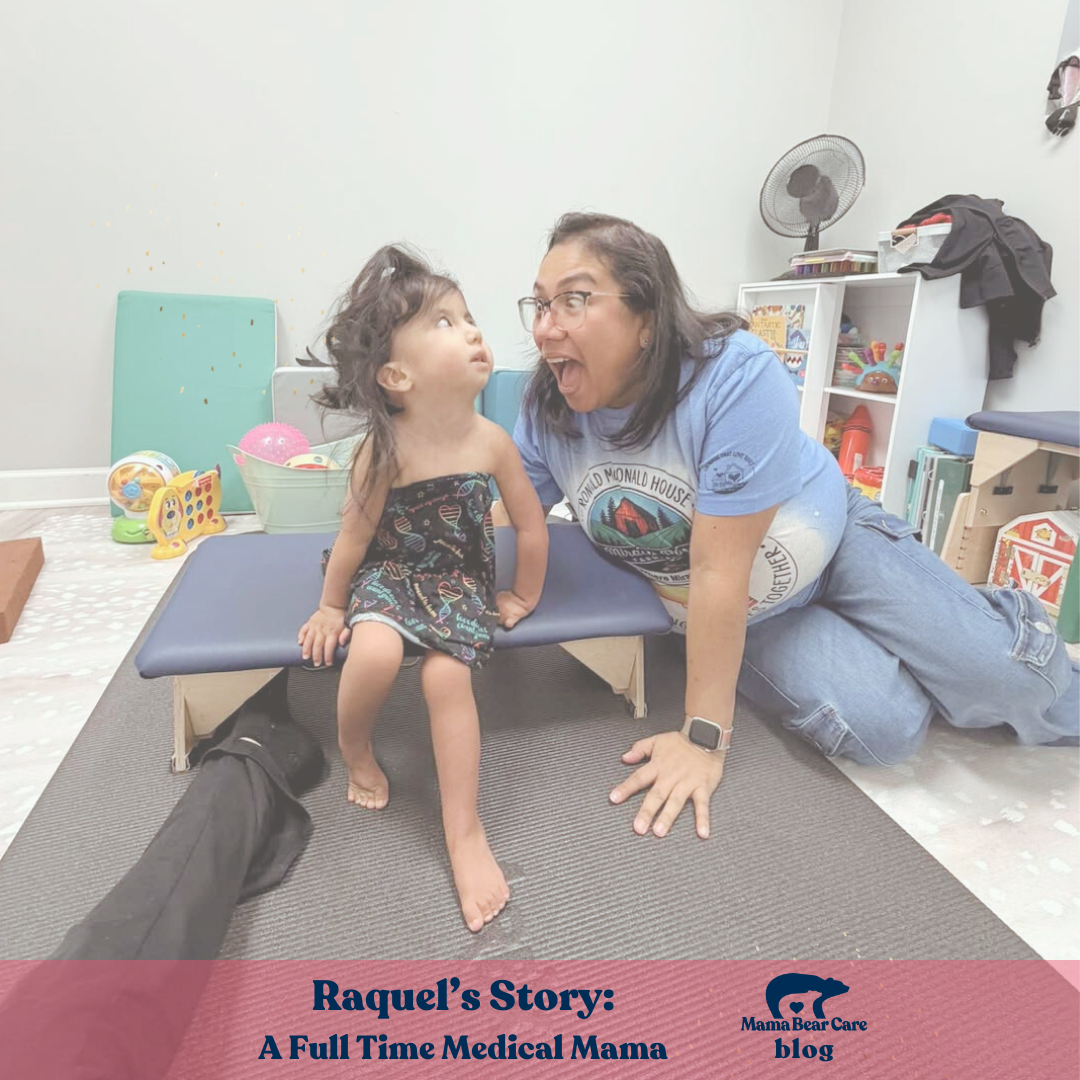
Raquel’s Story: A Full Time Medical Mama
March 20, 2026
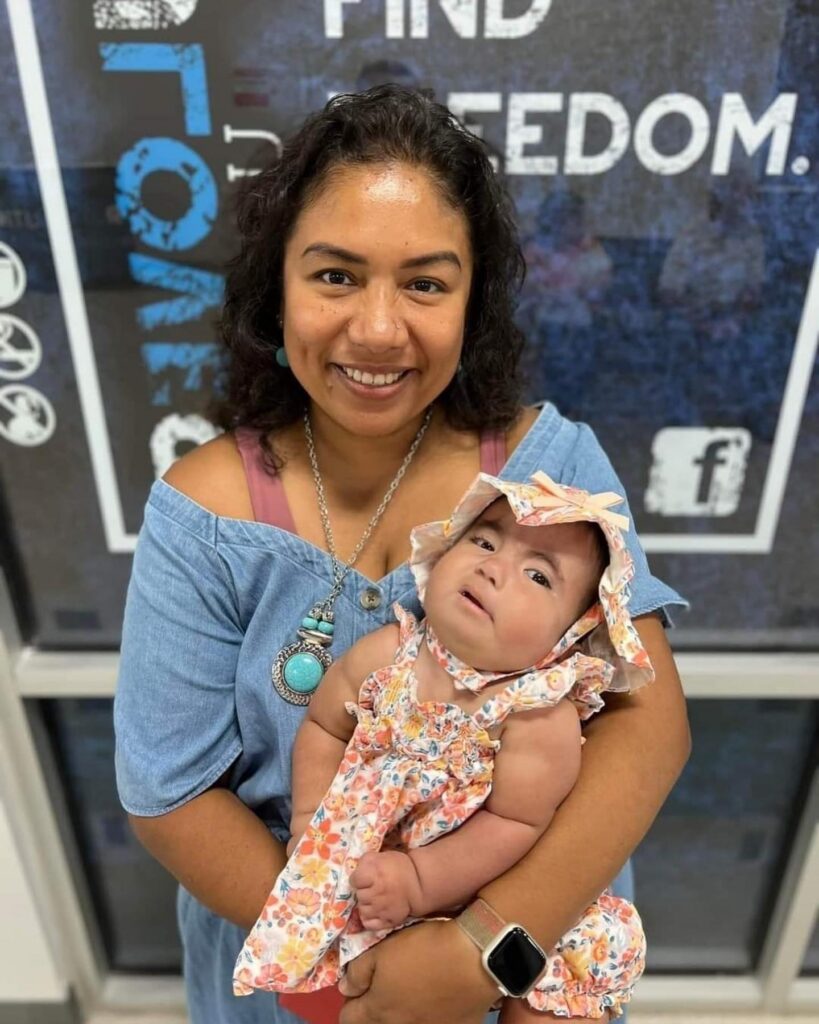
This past week, I was able to chat with Raquel Massey, one of our amazing Mama Bear Mentors, and learn more about her daughter, Jolene, and their journey with a diagnosis of Trisomy 18. Raquel never expected to become a medical mama, but she shares that it is not so different as you would expect. Join us as we get to know Raquel and Jolene in our blog interview below.
La semana pasada, tuve la oportunidad de conversar con Raquel Massey, una de nuestras mentoras de Mama Bear, y conocer más sobre su hija Jolene y su camino tras recibir un diagnóstico de Trisomía 18. Raquel nunca imaginó convertirse en una mamá médica, pero comparte que no es tan diferente como uno podría pensar. Acompáñanos a conocer a Raquel y Jolene en la siguiente entrevista de nuestro blog.
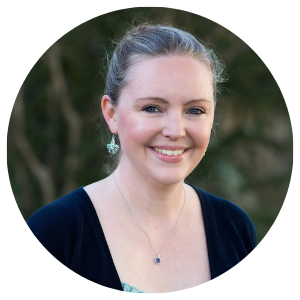
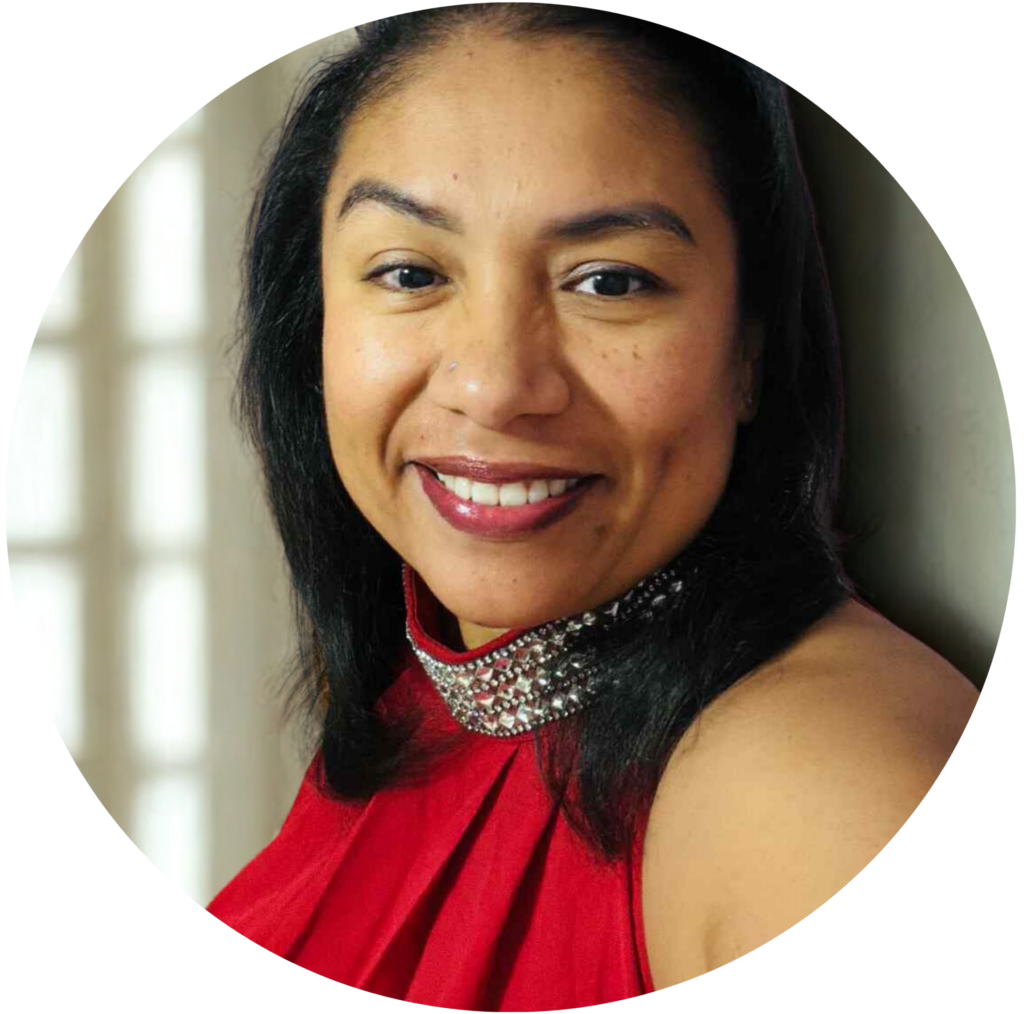
Brooke Shambley with Raquel Massey

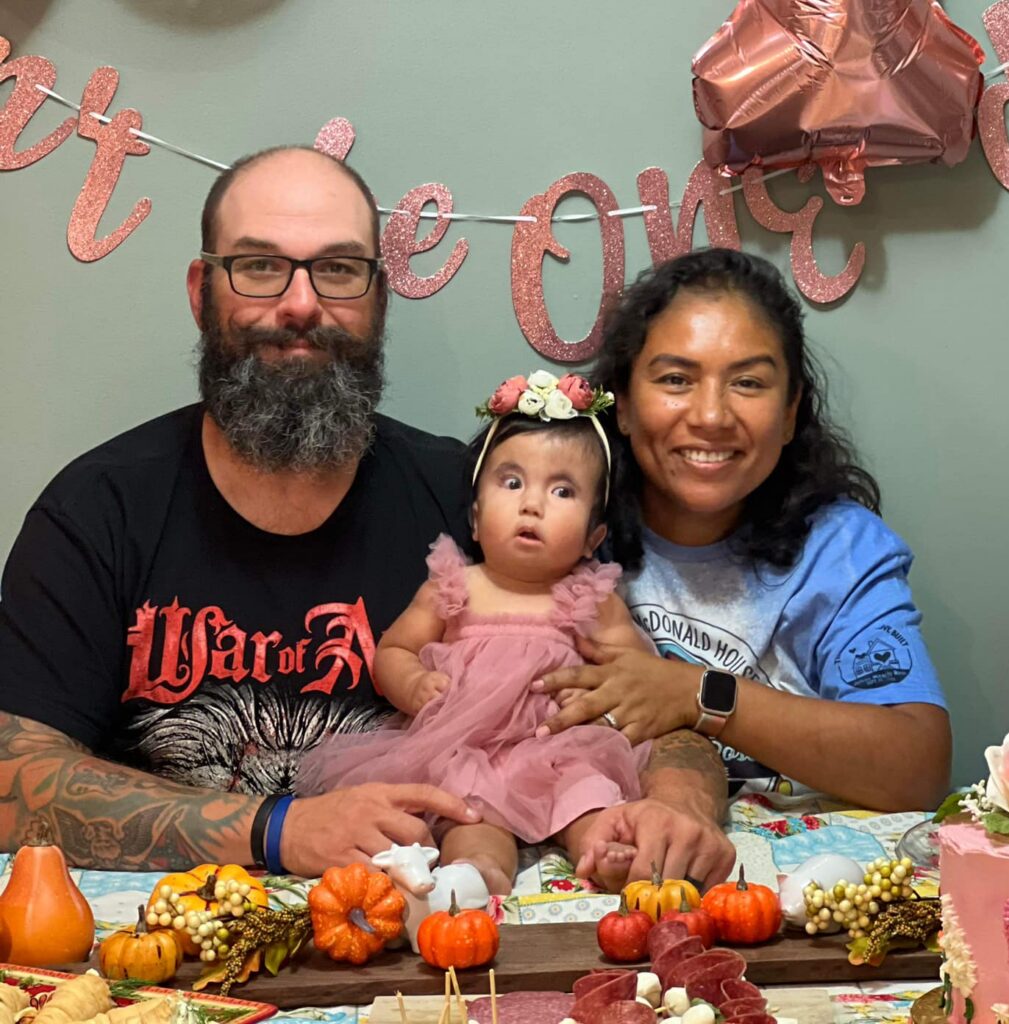
Raquel’s Story: A Full Time Medical Mama
La historia de Raquel: Mamá médica a tiempo completo
(English leading in BOLD and Spanish included leading in Italics)
Brooke: At what point did you learn about your prenatal diagnosis?
Brooke: ¿En qué momento te enteraste de tu diagnóstico prenatal?
Raquel: I learned about our diagnosis on my 10th week during a Mommy and Me blood test. I thought it was mainly for a gender reveal. The doctor called me while I was at work letting me know I tested positive for Trisomy 18. He said, “we can discuss termination or palliative care.” He actually told me, “Don’t google it; it’s awful.” I started crying; I didn’t know what was going on. I did not Google, instead I ended up on Facebook, and that’s when I found Beverly.
Raquel: Me enteré de nuestro diagnóstico en la semana 10 durante un análisis de sangre “Mommy and Me”. Yo pensaba que era principalmente para saber el sexo del bebé. El doctor me llamó mientras estaba en el trabajo para decirme que había dado positivo para Trisomía 18. Me dijo: “Podemos hablar sobre la terminación o cuidados paliativos.” Incluso me dijo: “No lo busques en Google, es horrible.” Empecé a llorar; no entendía qué estaba pasando. No lo busqué en Google, en cambio terminé en Facebook, y fue ahí donde encontré a Beverly.
Brooke: I’m so glad you found Beverly first!
Brooke: ¡Me alegra tanto que hayas encontrado a Beverly primero!
Raquel: She showed no markers of Trisomy 18 for 15-18 weeks, but she did have a brain cyst, which can be a first sign. [The cysts] went away, but her weight was not rising.
Raquel: Ella no mostró marcadores de Trisomía 18 durante 15-18 semanas, pero sí tenía un quiste cerebral, lo cual puede ser una primera señal. Los quistes desaparecieron, pero su peso no aumentaba.
Brooke: Had you ever heard of this diagnosis?
Brooke: ¿Habías escuchado antes de este diagnóstico?
Raquel: I found out later that others around me had received a Trisomy 18 diagnosis, I had never heard of it before. We had no other previous genetic issues. It was not on our radar.
Raquel: Después supe que otras personas a mi alrededor habían recibido un diagnóstico de Trisomía 18, pero yo nunca había escuchado de eso antes. No teníamos antecedentes genéticos. No estaba en nuestro radar.
Brooke: How did your family and friends respond?
Brooke: ¿Cómo reaccionaron tu familia y amigos?
Raquel: They were supportive, but I don’t think they knew how to support me. Those around me said, “I’m so sorry,” but I was NOT. It punched me so hard. My mom moved in during my pregnancy, and continued to stay with us to help until recently.
Raquel: Fueron comprensivos, pero creo que no sabían cómo apoyarme. Muchos decían: “Lo siento mucho”, pero yo NO lo sentía así. Me golpeó muy fuerte. Mi mamá se mudó conmigo durante el embarazo y se quedó ayudándonos hasta hace poco.
Brooke: When did you find Mama Bear Care?
Brooke: ¿Cuándo encontraste Mama Bear Care?
Raquel: I found a group called something like ‘Parents with Rare Diagnosis,” and someone on there talked about From Diagnosis with Delivery. Right away I was able to talk to Beverly, and here I am now.
Raquel: Encontré un grupo llamado algo como “Padres con diagnósticos raros”, y alguien mencionó “Diagnosis to Delivery”. Inmediatamente pude hablar con Beverly, y aquí estoy ahora.
Brooke: Can you tell me about your delivery? Was your delivery different than your previous children?
Brooke: ¿Puedes contarnos sobre tu parto? ¿Fue diferente a tus otros hijos?
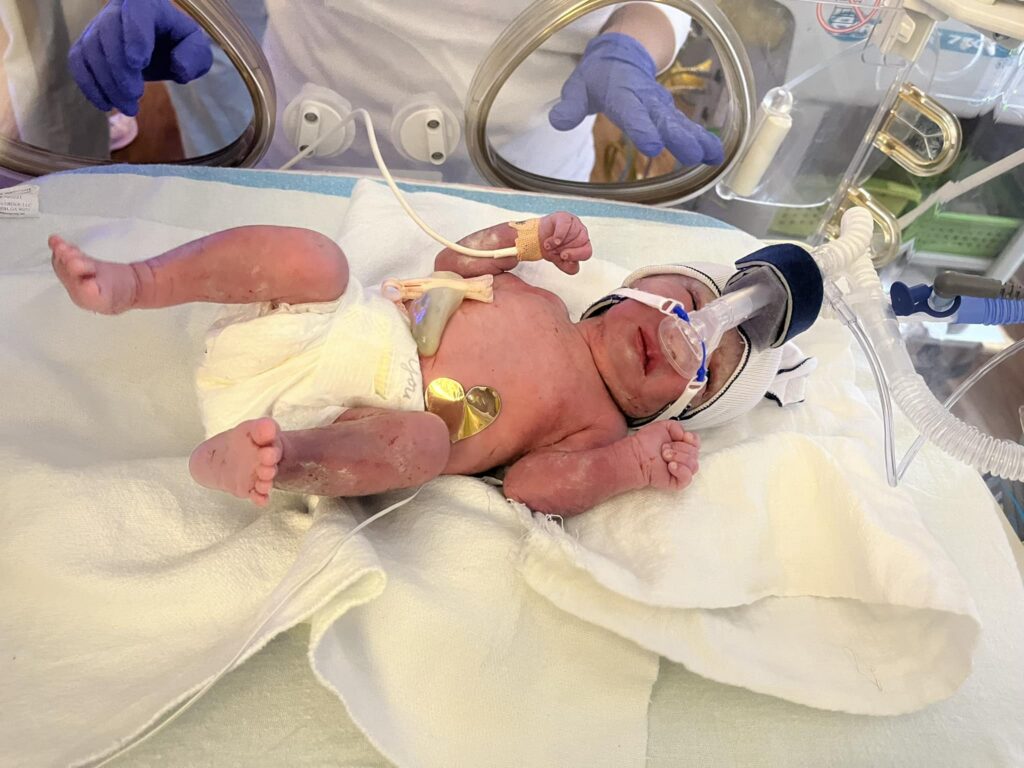
Raquel: My delivery was not different. I had c-sections for all of my children, so that was not a question. For Jolene, the doctor said with Trisomy 18 kiddos, they get stressed, so it’s much better if you do a c-section. I said, “No problem! This is my third one.” The doctor here in Tennessee at Vanderbilt did not want to do her delivery, so I had to move to Cincinnati Children’s. They did an MRI, and they thought Jolene would need open heart surgery. They saw a VSD (Ventricular Septal Defect) and PDA (Patent Ductus Arteriosus). When she was born, it was not big enough to need the heart surgery. Both the VSD and PDA in her heart healed up around 7-8 months.
She was delivered just before 36 weeks and I received a shot to help her lungs. She had to have an oxygen mask right away, but the doctors decreased it to low flow very fast.
Raquel: No fue diferente. Tuve cesáreas con todos mis hijos, así que no era una pregunta. Para Jolene, el doctor dijo que los niños con Trisomía 18 se estresan, así que es mejor una cesárea. Yo dije: “¡No hay problema! Es mi tercera.” El doctor en Tennessee (Vanderbilt) no quiso hacer el parto, así que tuve que ir a Cincinnati Children’s. Le hicieron un MRI y pensaron que necesitaría cirugía de corazón abierto. Vieron un VSD y PDA. Pero cuando nació, no eran lo suficientemente grandes para cirugía. Ambos se cerraron alrededor de los 7-8 meses.
Nació justo antes de las 36 semanas y me pusieron una inyección para ayudar a sus pulmones. Necesitó oxígeno inmediatamente, pero rápidamente lo bajaron a bajo flujo.
Brooke: Did Jolene surprise the doctors and medical staff?
Brooke: ¿Jolene sorprendió a los doctores?
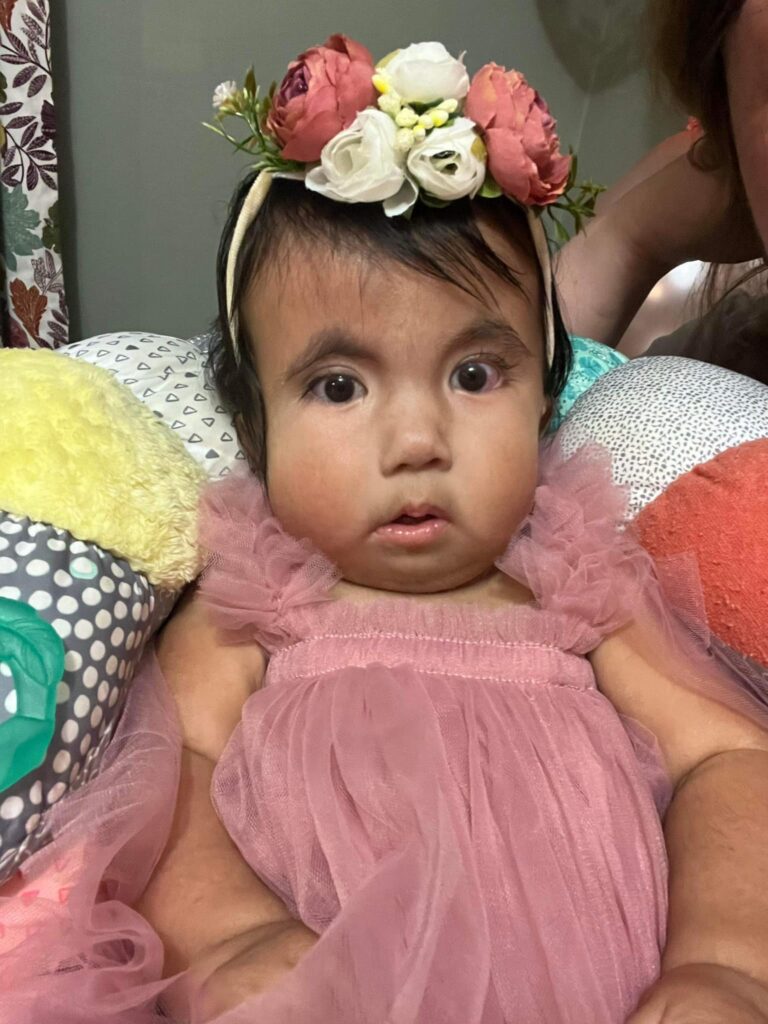
Raquel: Oh yes! At her one year she check up, the doctor said “I don’t know what to tell you anymore. She has proven me wrong every time, I told you that she was going to leave in about three days, about a month, about two months, about 6, about a year. Now she is 3 going on 4.”
Raquel: ¡Oh sí! En su chequeo del primer año, el doctor dijo: “Ya no sé qué decirte. Me ha demostrado que estaba equivocado cada vez. Te dije que viviría 3 días, luego un mes, luego dos meses, luego 6 meses, luego un año… y ahora tiene casi 4 años.”
Brooke: When did you realize that your baby was going to stay with you longer than doctor’s expected?
Brooke: ¿Cuándo te diste cuenta de que estaría contigo más tiempo del esperado?
Raquel: Sometimes I still struggle with that, because I just don’t know. She’s so perfect; when is the other shoe going to drop? I see other moms with other medical complexities.
We did small periods of time without oxygen to help her get stronger, like during baths. Testing her with an oxygen monitor. She had only low flow oxygen already. Now she doesn’t need oxygen. I also use freeze dried food (including ginger, turmeric, and garlic) and raw milk through her g-tube. She does not get sick very often, but she does get sinus infections, because her sinuses are so tiny. I tell the doctor, but he says, “Don’t tell me this.” If it caused any problems, of course, I would stop feeding other things.
Raquel: A veces todavía lucho con eso… porque no lo sé. Es tan perfecta… ¿cuándo cambiará todo? Veo otras mamás con situaciones médicas complejas.
Hicimos pequeños periodos sin oxígeno para fortalecerla, como durante los baños, monitoreando sus niveles. Ahora ya no necesita oxígeno. También uso alimentos liofilizados (como jengibre, cúrcuma y ajo) y leche cruda por su tubo gástrico. No se enferma mucho, pero sí tiene infecciones sinusales porque sus senos nasales son muy pequeños.
Brooke: What are some things you didn’t know about raising a daughter with medical complexities?
Brooke: ¿Qué cosas no sabías sobre criar a una niña con necesidades médicas?
Raquel: I knew nothing! Is it hard? Sure it is, but taking care of a child [with medical complexities] is no different than a typical kid. Something clicks as a mom, and you just do it. I don’t know any other way. This is how we care for Jolene.
Raquel: ¡No sabía nada! ¿Es difícil? Sí. Pero cuidar a un niño con necesidades médicas no es diferente a uno típico. Algo hace “clic” como mamá… y simplemente lo haces. No conozco otra forma.
Brooke: What did you wish you had known?
Brooke: ¿Qué te hubiera gustado saber?
Raquel: I wish I had known about grants and therapy sessions. The doctor’s don’t know what is available. I wish I had known that insurance doesn’t mean anything with kids with special needs. I wish people knew that. The majority things for her are not covered, because they are not “medical” necessities.
Raquel: Me hubiera gustado saber sobre ayudas económicas (grants) y terapias. Los doctores no saben lo que hay disponible. También que el seguro no cubre mucho para niños con necesidades especiales. Muchas cosas no son consideradas “necesidades médicas”.
Brooke: How did God meet you in this? How did you see God move in your journey?
Brooke: ¿Cómo viste a Dios en este proceso?
Raquel: I would not have survived the diagnosis without God. I would have never known what the ‘peace that surpasses understanding’ was, it overcame me that day of the diagnosis, and that day on. It doesn’t mean I don’t get mad. It was hard. My biggest testimony about God is that God is not a genie. Just because you ask God, or pray, or even if you don’t believe, that doesn’t mean the miracle will not happen. God will answer you, yes or no. He provides healing, but is that here on earth or is that in heaven?
I was pregnant with Jolene, and I received her diagnosis right while I was reading Job. It’s my favorite bible story, favorite book. That is where I learned the true nature of God. Sometimes bad things happen, not because we did something wrong, but because we live in a fallen world. God did not do it. That teaching changed everything for me. We tend to ask why God did this, but God didn’t do it.
Raquel: No habría sobrevivido el diagnóstico sin Dios. Ese día entendí lo que es “la paz que sobrepasa todo entendimiento”. Eso no significa que no me enoje. Fue difícil.
Mi mayor testimonio es que Dios no es un genio. No porque ores significa que el milagro pasará como quieres. Dios responde sí o no. Él sana, pero ¿es aquí en la tierra o en el cielo?
Cuando estaba embarazada de Jolene, estaba leyendo Job. Es mi libro favorito. Ahí entendí la verdadera naturaleza de Dios. A veces pasan cosas malas no porque hicimos algo mal, sino porque vivimos en un mundo caído. Dios no lo causó. Esa verdad cambió todo para mí.
Brooke: Thank you so much for sharing with us, Raquel. I really appreciate you opening up about your little Jolene and sharing your heart with our Mama Bear Care community. Your story is so important to other mama bears and their families as they learn more about trisomy and contemplate what it might look like being a medical mama.
Brooke: Gracias por compartir tu historia, Raquel. Es tan importante para otras mamás que están en este camino.
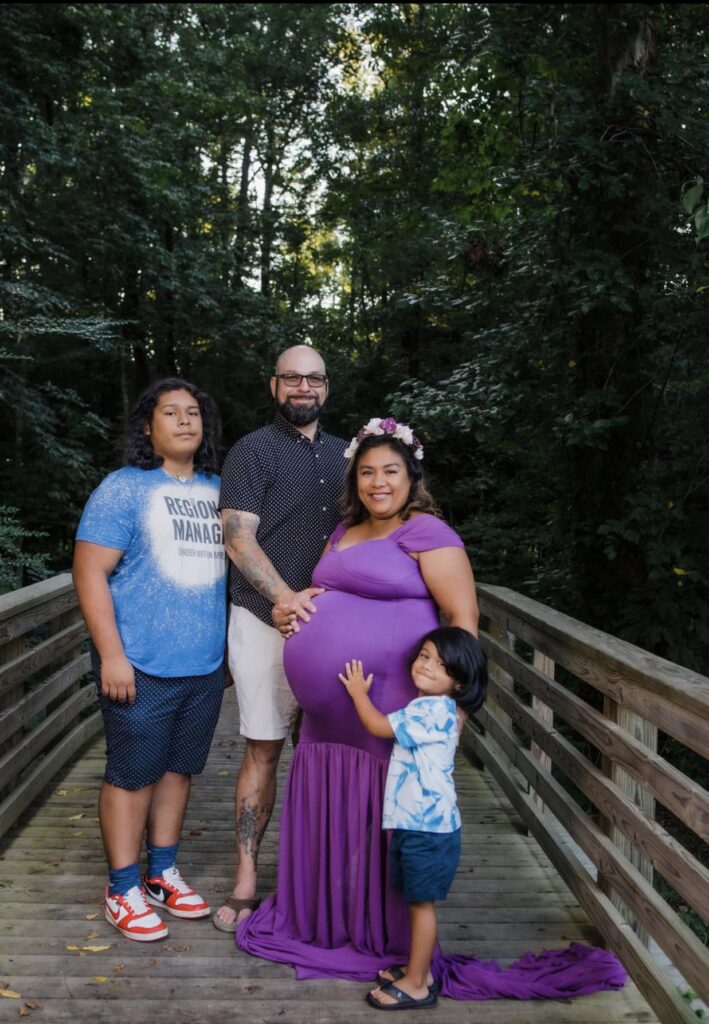
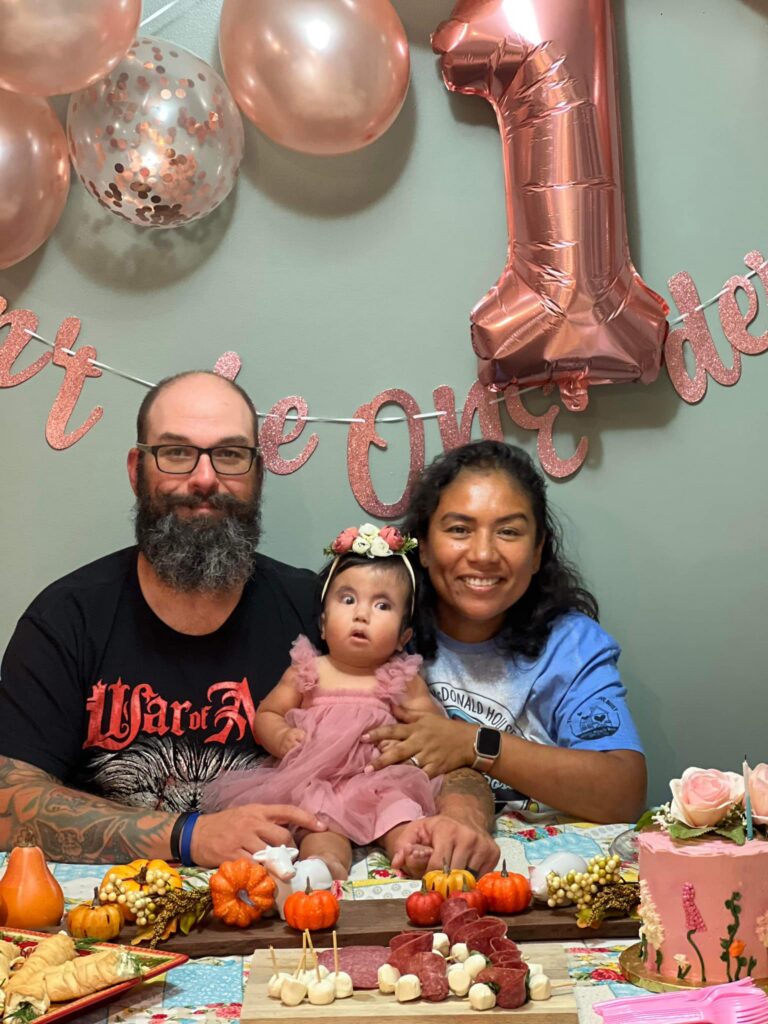
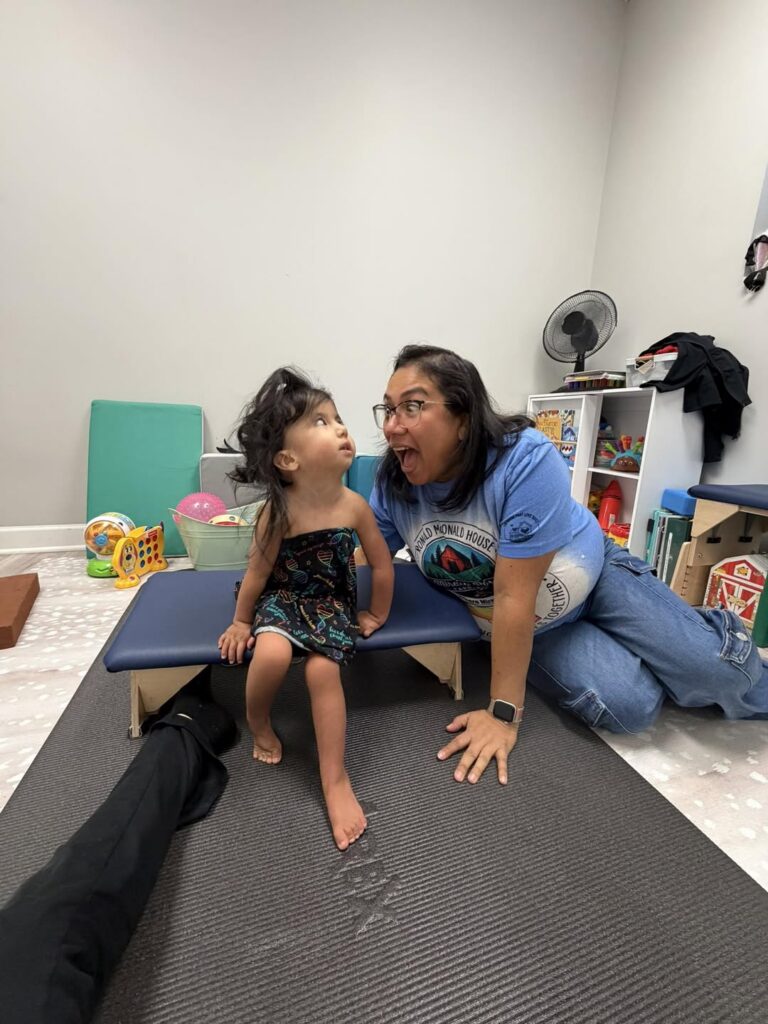

Do you have your own diagnosis that you are experiencing? Do you need support? Join our Facebook group here.
If you have a heart for our mission and want to partner with us as a Mama Bear Mountain Mover, you can find out more here.
Follow Mama Bear Care on Facebook and Instagram for more information and education on the various diagnoses parents face and their stories of hope.
Si tú también estás pasando por un diagnóstico y necesitas apoyo, únete a nuestro grupo de Facebook.
Si deseas apoyarnos como donador mensual, puedes encontrar más información aquí.
Sigue a Mama Bear Care en Facebook e Instagram para más información, educación y historias de esperanza.